Embracing the Wok: More Than Just a Pan
When I think about Chinese cooking, my mind almost immediately goes to the wok. It’s not just a piece of kitchen equipment; it's truly a cultural icon, a symbol of efficiency and flavor that has shaped countless meals for generations. I’ve always been fascinated by its versatility, the way it can transform humble ingredients into something absolutely delicious with incredible speed and grace. We're talking about a cooking vessel that does so much more than just stir-fry; it’s a cornerstone of an entire culinary tradition, and I think its influence is absolutely massive.
You see, the term "China Wok" isn't merely about a specific restaurant name, though those ubiquitous establishments certainly play their part in its modern perception. Instead, it encompasses the very essence of Chinese cooking techniques centered around this incredible, round-bottomed pan. It represents the history, the artistry, and the sheer practicality of a cooking method that has won over palates worldwide.
A Glimpse into History: The Wok's Ancient Roots
The wok's origins are deeply embedded in Chinese history, stretching back millennia. Archeological evidence suggests its use could be traced as far back as the Han Dynasty, though its widespread adoption probably began during the Song Dynasty (960-1279 AD). Early woks were often made of cast iron, heavy and durable, designed to withstand intense heat over open fires or charcoal stoves. They were essential in rural households, where families needed to cook quickly and efficiently, making the most of scarce fuel resources.
I imagine ancient cooks, standing over roaring fires, expertly tossing ingredients in their woks, creating meals that sustained their communities. It’s pretty cool to think about how something so fundamental has remained largely unchanged in its core design, proving its enduring utility and brilliance over such a long span of time. This isn't just some fad; it's a piece of culinary engineering that stood the test of time.
The Anatomy of a Wok and Its Cooking Prowess
What makes the wok so special? For me, it's all about its unique shape and material. The classic wok has a wide, round bottom that concentrates heat at its center, allowing for rapid cooking, while its sloping sides provide a cooler zone where ingredients can be pushed to finish cooking or simply to stay warm. This design is what makes stir-frying so effective, but it also lends itself to a surprisingly broad range of other techniques.
- Carbon Steel Woks: These are often considered the gold standard by many chefs and serious home cooks, myself included. They heat up quickly, cool down fast, and develop a fantastic non-stick patina (seasoning) over time. They require a bit of care, but the results are absolutely worth it.
- Cast Iron Woks: Heavy and robust, cast iron woks retain heat incredibly well, making them ideal for searing and deep-frying. They take longer to heat up but maintain a consistent temperature.
- Non-Stick Woks: While convenient, I find these don't quite achieve the same high heat and caramelization that carbon steel or cast iron can. They're good for beginners, though.
Proper seasoning, by the way, is a whole ritual in itself. It's about building up layers of polymerized oil that make the wok naturally non-stick and impart a subtle flavor to the food. It's a commitment, but one that truly pays off.
Mastering Wok Techniques: Beyond the Stir-Fry
When most folks think of wok cooking, stir-frying, or 'Chao' in Mandarin, is what usually comes to mind. And for good reason! It's a lightning-fast process that locks in flavors and textures. But the wok is so much more than a stir-fry pan; it’s a multi-tasking kitchen marvel.
- Stir-Frying (Chao): This is the hallmark. High heat, constant motion, and quick cooking ensure vibrant vegetables and perfectly cooked proteins. I find the secret is to not overcrowd the wok.
- Deep-Frying (Zha): The wok's deep, sloping sides make it surprisingly efficient for deep-frying, using less oil than a flat-bottomed pot. Think crispy spring rolls or perfectly golden tempura.
- Steaming (Zheng): With a rack and a lid, the wok becomes an excellent steamer, ideal for delicate fish, dumplings, or steamed buns.
- Braising (Hong Shao): For dishes like 'red-braised pork belly,' the wok can simmer ingredients gently over longer periods, allowing flavors to meld beautifully.
- Smoking (Xun): A lesser-known technique, but quite effective. By placing wood chips at the bottom and a rack above, you can smoke items like tea-smoked duck right in your wok.
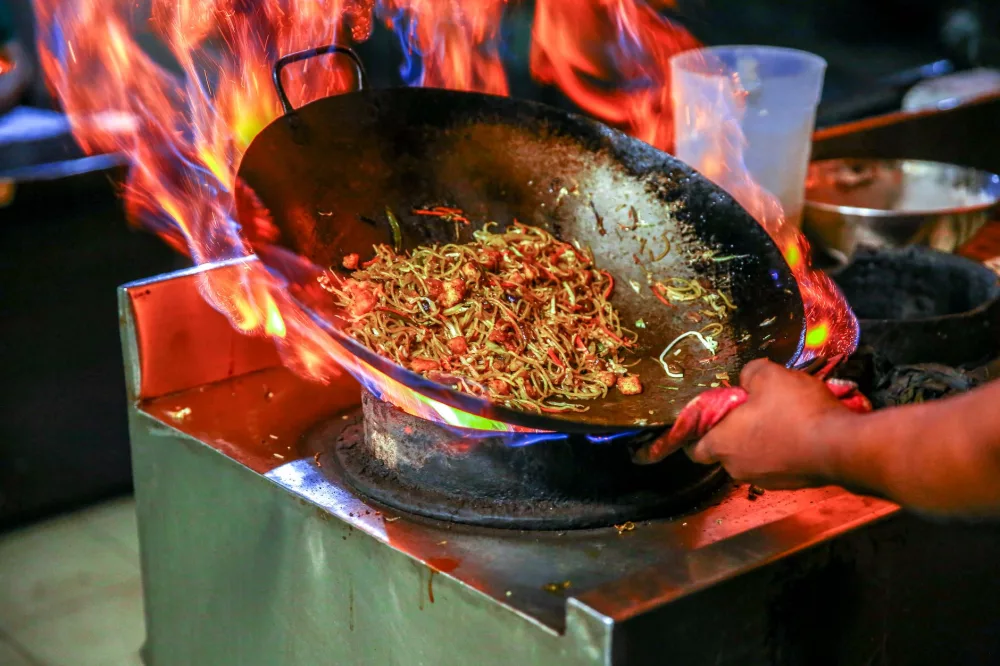
- Searing: The intense heat concentrated at the bottom means you can get a beautiful sear on meats and vegetables, creating that wonderful 'wok hei' – the breath of the wok.
Achieving 'wok hei' is the ultimate goal for many. It's that smoky, slightly charred, incredibly aromatic flavor that you get from cooking with extreme heat and tossing ingredients vigorously. It's truly magical and something I'm always striving for in my own cooking.
The "China Wok" Phenomenon: A Taste of Home Away From Home
Now, let's touch upon the more contemporary interpretation of "China Wok" – the countless take-out restaurants that dot strip malls and street corners across Western countries. These establishments have become cultural institutions in their own right. They're often run by immigrant families, providing accessible, affordable, and comforting Chinese-American fare. My local China Wok, for instance, has been a family favorite for years.
These places might not always serve the most authentic regional Chinese cuisine, but they offer a familiar menu of beloved dishes like General Tso's Chicken, Beef with Broccoli, Chop Suey, and of course, Fried Rice and Lo Mein. They represent an incredible fusion, adapting traditional flavors to suit local tastes, creating a unique culinary identity. I think it’s pretty amazing how these small businesses have become such an ingrained part of the fabric of many communities.
Crafting Your Own Wok Magic at Home
Bringing the magic of the wok into your own kitchen is absolutely doable. My biggest piece of advice? Preparation is everything. This is called 'mise en place' in French culinary terms, but for wok cooking, it's absolutely non-negotiable. Have all your ingredients chopped, sauces mixed, and proteins prepped before you even turn on the heat. The cooking process itself is so fast, you won't have time to chop garlic mid-stir-fry!
You'll also need a heat source that can get really hot. If you have a powerful gas burner, that's ideal. Electric stoves can work, but you might need to adjust your expectations slightly or cook in smaller batches to maintain heat. Don't be afraid to experiment with different oils, spices, and ingredients. That’s part of the fun, isn’t it?
In my opinion, the China Wok, in all its forms, from the ancient cooking vessel to the modern take-out joint, represents an incredible journey of flavor, adaptation, and cultural exchange. It’s a tool that continues to inspire and feed millions, a simple piece of metal that embodies a profound culinary legacy. It's a tradition that I truly appreciate and love to explore in my own kitchen.