I've been in the dental field for quite some time now, and one question I hear practically every day, in one form or another, is about the cost of dental implants. Specifically, folks want to know about finding 'cheap dental implants.' It's totally understandable. When you’re facing significant dental work, especially something as life-changing as an implant, the price tag can feel daunting. You want your smile back, you want to chew comfortably again, but you also need to be sensible with your finances. My goal here is to talk openly about what 'cheap' really means in this context and help you figure out how to approach this important decision without regretting it later.
The Temptation of a Low Price Tag: What's the Catch?
Let's be frank: everyone loves a bargain. I get it. When you see ads promising unbelievably low prices for dental implants, it's natural to be intrigued. Maybe you've seen promotions like '$999 per implant!' or 'Implants Half Price!' These offers are certainly eye-catching, aren't they? But in dentistry, especially with a complex procedure like an implant, a price that seems too good to be true often comes with some serious caveats. I've unfortunately seen situations where patients, chasing the lowest price, end up needing corrective work down the line that costs far more than they saved initially. It's a tough lesson to learn.
Why Those Ultra-Low Prices Might Be Misleading
So, what's usually behind these rock-bottom prices? Well, there are a few common scenarios I’ve encountered:
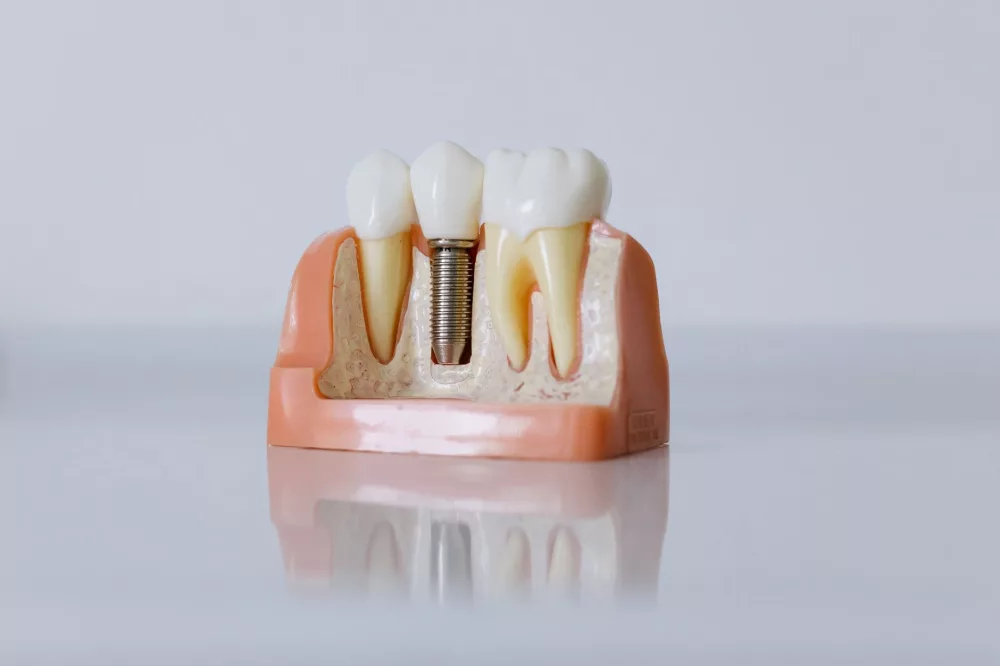
- It's Just for the Implant Fixture: Oftentimes, the advertised price only covers the implant screw itself. It doesn't include the abutment (which connects the crown to the implant), nor the crown (the visible tooth part), and certainly not any preparatory work like extractions, bone grafting, or imaging. These add-ons can easily double or triple the initial quoted price.
- Substandard Materials: Not all implants are created equal. There's a vast difference in quality and research behind various implant systems. Reputable brands invest heavily in R&D to ensure long-term success and biocompatibility. 'Cheap' implants might use less reliable materials or systems with a higher failure rate.
- Inexperienced Practitioners: Sadly, some practitioners offering very low prices might not have the extensive training or experience necessary for successful implant placement. Implant dentistry is a specialized skill, and proficiency really matters.
- No Aftercare Included: A quality implant procedure includes follow-up appointments and a warranty. A super cheap deal might leave you high and dry once the implant is placed, offering no support if issues arise.
“Investing in your health, particularly something as foundational as your oral health, is an area where cutting corners can lead to significant long-term problems. It's not just about the tooth; it's about your overall well-being and confidence.”
Understanding What Drives the Cost of Dental Implants
Okay, so if 'cheap' is often a red flag, what actually makes up the legitimate cost of a dental implant? From my perspective, it's a blend of several important factors:
- The Clinician's Expertise: This is huge. An oral surgeon, periodontist, or general dentist with extensive training and experience in implantology will naturally charge more. You're paying for their skill, their hundreds of hours of continuing education, and their track record of success.
- The Implant System & Materials: As I mentioned, high-quality titanium or zirconia implants from established, research-backed manufacturers cost more. They have a proven history of integration with bone and longevity. Think of it like buying a premium car versus an economy model; both get you from A to B, but the experience, reliability, and engineering are different.
- Diagnostic Imaging & Planning: Before any surgery, thorough diagnostics are crucial. This includes 3D CT scans (cone beam CT), which allow your dentist to precisely plan the implant placement, avoiding nerves and sinuses. This detailed planning is a non-negotiable part of a successful procedure and does add to the cost.
- Ancillary Procedures: Many patients need additional procedures before an implant can be placed. Things like tooth extractions, bone grafting (to build up insufficient bone density), or sinus lifts (if the upper jaw bone isn't tall enough) all add to the overall expense. These aren't 'extras' for profit; they're vital steps to ensure the implant has a stable foundation.
- Laboratory Fees: The custom-made crown that goes on top of the implant is crafted by a dental lab. High-quality labs using durable, aesthetic materials contribute to the final cost.
- Geographic Location: Just like real estate, dental costs can vary significantly depending on where you live. Major metropolitan areas typically have higher overheads, which can translate to higher prices.
Smart Strategies for Making Dental Implants More Affordable (The Right Way)
Now, this isn't to say you can't find affordable dental implants. What I mean is, you can find them at a reasonable price without compromising quality. Here are some strategies I often share with my patients:
- Payment Plans and Financing: Most dental practices understand that implants are a big investment and offer flexible payment options. Many work with third-party financing companies like CareCredit, which allow you to pay in monthly installments, often interest-free for a certain period.
- Dental Insurance: While most dental insurance plans don't fully cover implants (they often classify them as a 'major' procedure with limited coverage), some plans are starting to include partial benefits. It's always worth checking your specific policy and talking to the dental office's financial coordinator. They're usually very good at helping you maximize your benefits.
- Dental Schools: University dental schools often provide treatment at a reduced cost. The trade-off is that appointments might take longer, as treatment is performed by supervised students. However, the quality of care is typically very high due to the oversight of experienced faculty. This can be a really excellent option for some folks.
- Traveling for Care (with caution): I know some people consider traveling abroad for cheaper dental work. While it can seem appealing on paper, you need to exercise extreme caution. Language barriers, lack of legal recourse if something goes wrong, and the inability for easy follow-up care are significant risks. If you go this route, research extensively, get referrals, and understand the full implications. You wouldn't want to fly back and forth across oceans for every little adjustment.
- Comparing Multiple Quotes: Don't just go with the first quote you get. I always suggest getting two or three comprehensive treatment plans from reputable dentists. Make sure the quotes are for the exact same procedure (e.g., bone graft included, type of crown, etc.) so you can compare apples to apples. This isn't about finding the cheapest, but finding the best value from a trusted professional.
- Health Savings Accounts (HSAs) or Flexible Spending Accounts (FSAs): If you have one of these through your employer, you can use pre-tax dollars for dental implant procedures, effectively saving you money.
Ultimately, the best 'cheap dental implant' is one that is done correctly, with high-quality materials, by an experienced professional, and lasts you for many years. It’s an investment in your health, your appearance, and your ability to enjoy life fully. Don't let a seemingly low price tempt you into a decision that might cause more headaches and cost more money in the long run. Do your homework, ask lots of questions, and trust your gut feeling about the practitioner you choose.