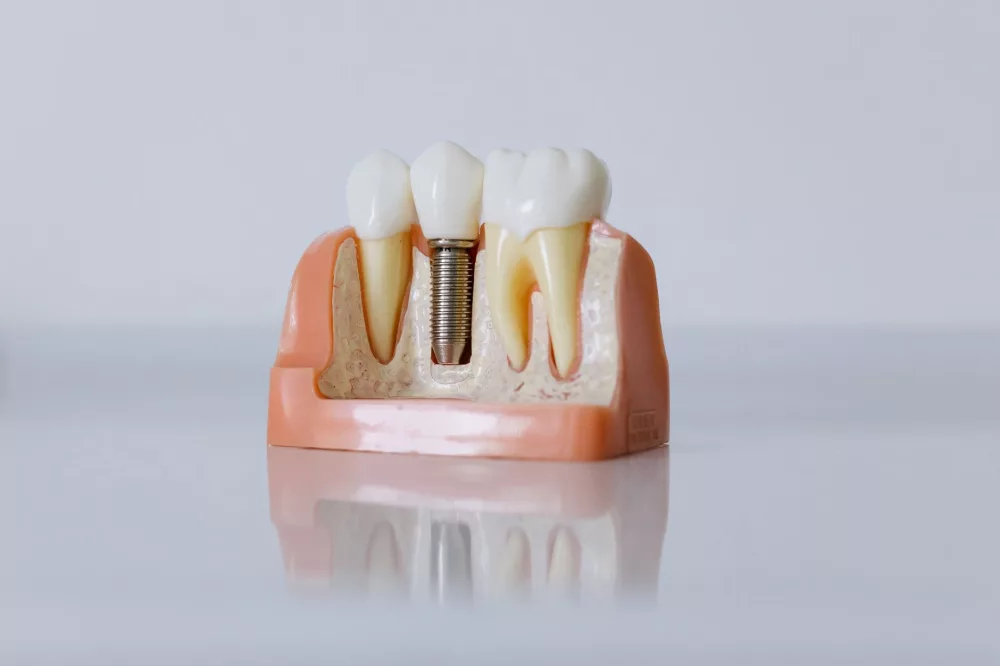
I often find myself discussing the topic of dental implants with patients, and almost invariably, one of the first questions that comes up is about the cost. 'Can I get cheap dental implants?' they'll ask, eyes wide with a mix of hope and apprehension. It's a completely understandable concern, believe me. Dental implants represent a significant investment in your oral health and overall well-being, and it’s natural to seek ways to make such a life-changing procedure more accessible. But here's the thing: 'cheap' can be a loaded word in dentistry. My goal today is to unravel what affordable dental implants truly mean, helping you find value without inadvertently compromising on quality or safety. Let's explore this together.
What Exactly Are We Talking About With Dental Implants?
Before we dive into the financials, let's quickly recap what a dental implant entails. Basically, it's a small, titanium screw that your dentist surgically places into your jawbone. This little screw acts like an artificial tooth root. Once it's integrated with your bone – a process called osseointegration – it can then securely support a crown, bridge, or even a full denture. What's so great about them? Well, they look and feel just like natural teeth, restore chewing function, prevent bone loss, and can last a lifetime if cared for properly. They’re a fantastic long-term solution for missing teeth.
Understanding the 'Why' Behind the Price Tag
So, why do dental implants typically carry a higher price point than, say, a traditional bridge or partial denture? It's not just some arbitrary figure plucked from thin air. There are several contributing factors that drive the cost, and I think it's important you understand them:
- Specialized Expertise: Placing dental implants requires a highly skilled and experienced dental surgeon. They often have advanced training in oral surgery, periodontics, or prosthodontics. That expertise doesn't come cheap, and rightly so; you want someone incredibly competent working in your mouth.
- High-Quality Materials: The implants themselves, the abutments (connectors), and the crowns are made from biocompatible, durable materials like titanium and high-grade ceramics. These aren't your average off-the-shelf components; they're precision-engineered to integrate with your body and withstand years of chewing.
- Advanced Technology: The process often involves sophisticated diagnostic tools like 3D imaging (CBCT scans), digital planning software, and sometimes even guided surgery techniques. This technology ensures precise placement and minimizes risks.
- Laboratory Fees: Your custom crown or bridge isn't just popped out of a mold. A highly skilled dental lab technician crafts it, ensuring a perfect fit, bite, and aesthetic match to your existing teeth. This is an art form, really.
- Sterilization and Facilities: Maintaining a sterile environment and state-of-the-art dental practice is costly. You're paying for safety and cleanliness, which is non-negotiable in my book.
- Number of Implants: This one's pretty straightforward. If you need multiple implants, the cost naturally goes up because there are more components and more surgical time involved.
Exploring Avenues for More Affordable Implants
Okay, now that we understand the costs, let's get to the crux of the matter: how can you find a more affordable option without cutting corners on quality? It's a balancing act, for sure, but it's absolutely achievable.
Dental Schools and Community Clinics: A Viable Path?
One of the most common suggestions I hear, and one I often recommend, is looking into dental schools. Many university-affiliated dental schools offer implant procedures at a reduced cost. Why? Because they're teaching institutions. Procedures are performed by supervised dental students or residents who are gaining experience, under the watchful eye of highly experienced faculty members. The trade-off might be slightly longer appointments or more appointments overall, but the quality of care is usually top-notch, and the cost savings can be substantial. Similarly, some community dental clinics or public health programs might offer reduced fees, often for income-qualified individuals. It's worth researching these options in your local area.
Dental Tourism: A Tempting, But Risky, Proposition
Another option that comes up a lot is dental tourism – traveling to another country where dental procedures are significantly cheaper. Countries like Mexico, Costa Rica, and some in Eastern Europe are popular destinations. Now, I won't sugarcoat it: the initial sticker price can be incredibly attractive. However, there are some serious considerations and potential pitfalls you absolutely must weigh:
- Quality Control: Standards of care, material quality, and sterilization protocols can vary wildly. It's tough to verify the qualifications of the dentists or the quality of materials being used.
- Follow-Up Care: What happens if you have a complication after you return home? Who will handle the follow-up appointments, adjustments, or potential revisions? Flying back for these can quickly erode any initial savings.
- Communication Barriers: Language differences can lead to misunderstandings about your treatment plan, aftercare instructions, or any concerns you might have.
- Legal Recourse: If something goes wrong, your legal options in a foreign country might be extremely limited.
For these reasons, I generally advise extreme caution with dental tourism. If you do consider it, perform exhaustive research, ask for multiple references, and try to find reviews from independent sources.
Payment Plans and Financing Options
Many dental practices understand that implants are a big expense, and they want to make treatment accessible. Don't be shy about asking about payment plans. Lots of offices offer in-house financing, allowing you to pay in installments. There are also third-party medical financing companies that specialize in healthcare loans, often with deferred interest options if paid within a certain timeframe. These aren't